Bringing the Invisible World of Water Closer to the Public: DxHub AquaDetect & Youth for Diagnostics in Portugal and Greece
As part of the European Researchers’ Night 2026, DxHub brought the fascinating microscopic world of water closer to the public through interactive citizen science activities in Greece and Portugal. Events held at the Foundation for Research and Technology – Hellas (FORTH) in Heraklion and at Jardins Palácio do Marquês in Oeiras, with the participation of students from Heraklion schools and SCPA.
In both countries, visitors had the opportunity to explore the microorganisms found in water and discover how citizen science can contribute to environmental monitoring and raise awareness of microbiological risks.
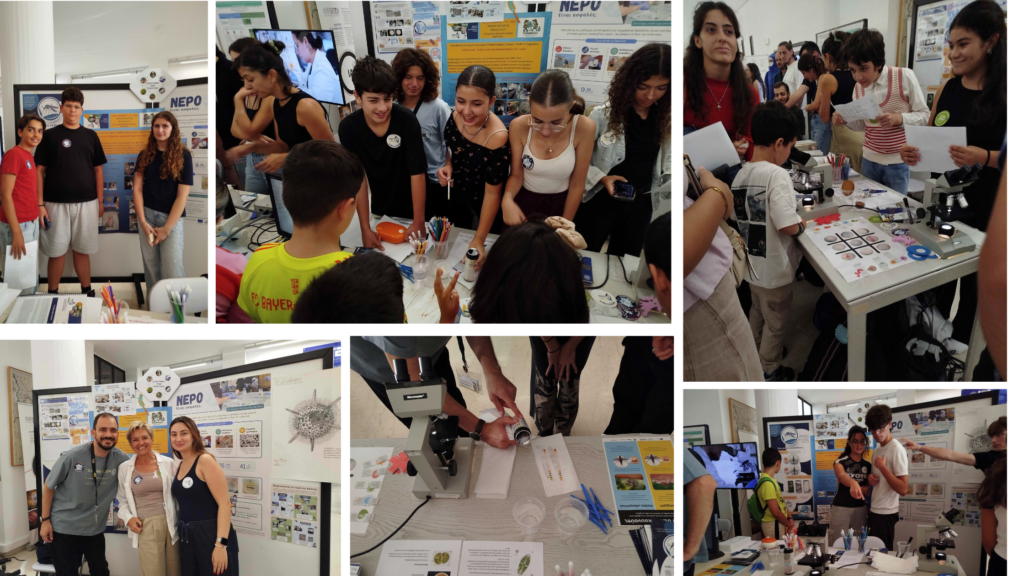
In Heraklion, Greece, DxHub presented the results of water quality analyses conducted by partner schools. Visitors explored water samples through microscopes, tested them using chemical indicator strips, participated in a science-themed Tic-tac-toe game and drew the microorganisms they observed, discovering fascinating facts about the microscopic world around us.
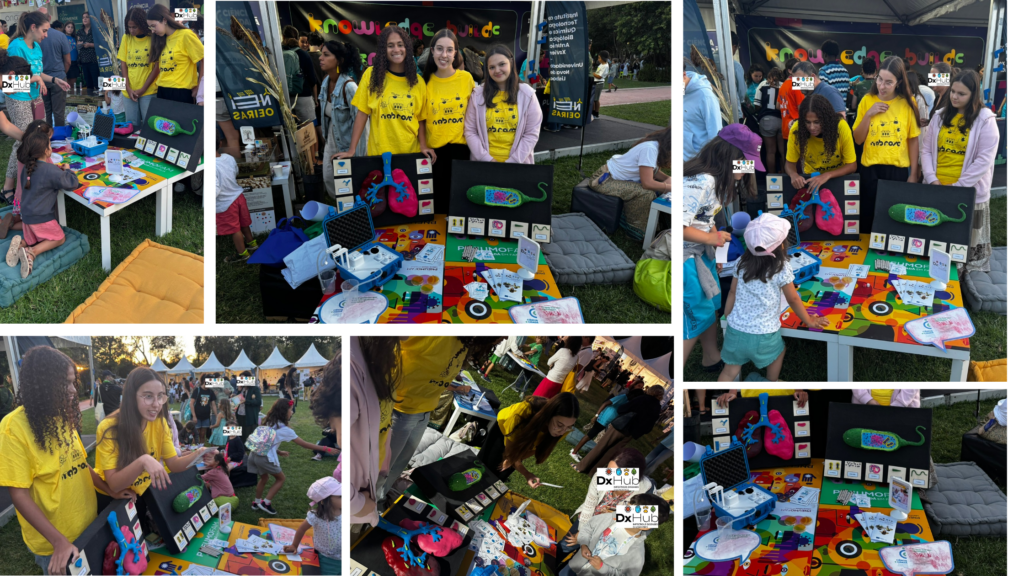
Meanwhile, in Oeiras, Portugal, ITQB NOVA, together with students from SCPA, presented the DxHub AquaDetect citizen science project. Through interactive discussions and a scientific speed-dating format, they introduced their school activities on Legionella detection in water samples and demonstrated the point-of-care test developed by Stab Vida.
A common highlight in both events was the active participation of students, who shared their experiences, presented the work carried out throughout the 2025/2026 academic year and engaged directly with visitors. Having contributed to the development of school-based activities, the students took on the role of science ambassadors, helping explain research concepts, answer questions and communicate the importance of water quality monitoring to their communities.
By bringing together similar hands-on activities in Greece and Portugal, DxHub demonstrated how young people can actively contribute to citizen science, while helping bridge the gap between research and society.
These initiatives highlighted the value of collaboration between schools, researchers and local communities in promoting scientific awareness and encouraging citizens to take an active interest in environmental and public health challenges.
Showcasing rapid diagnostics in Portugal
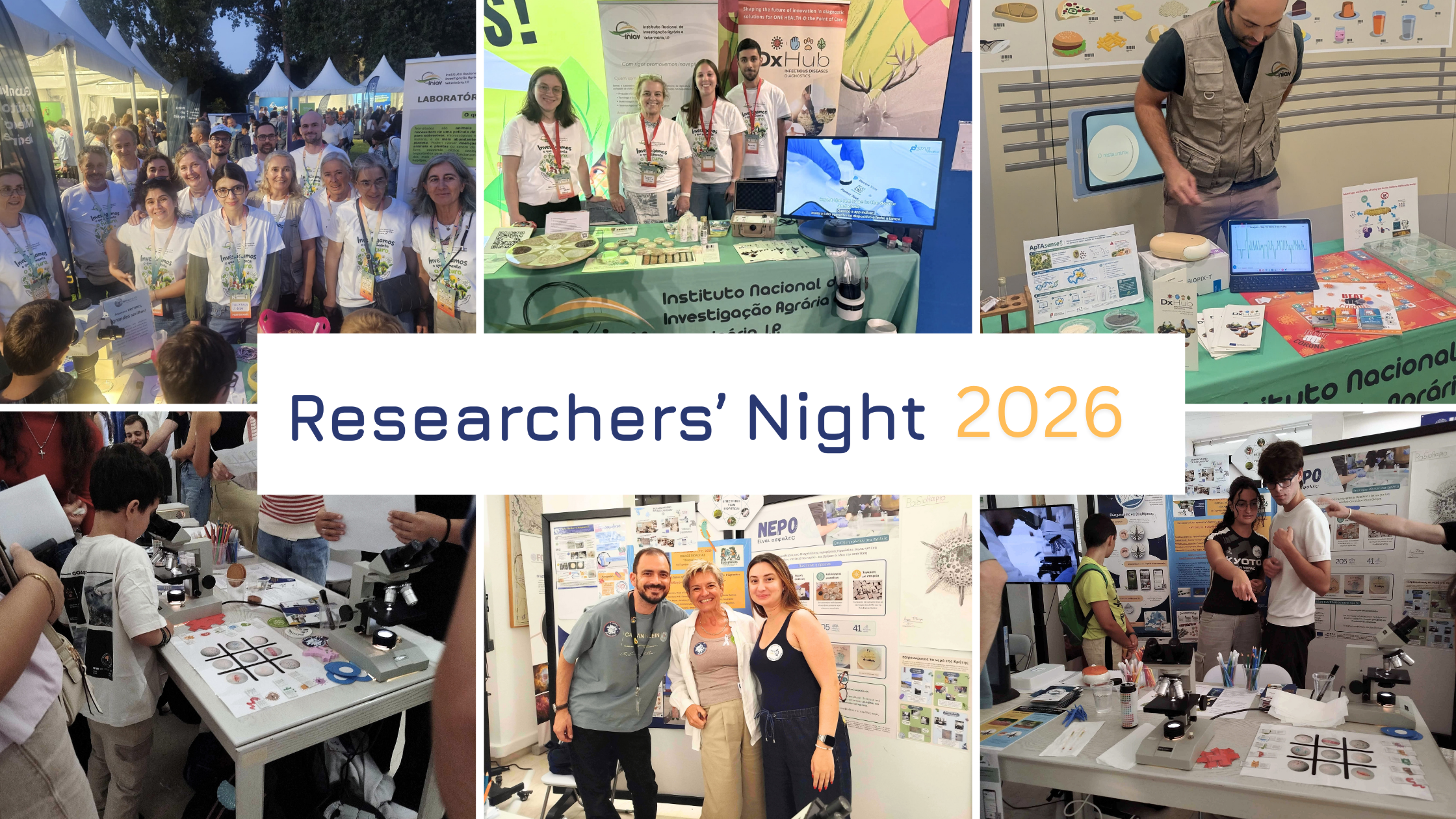
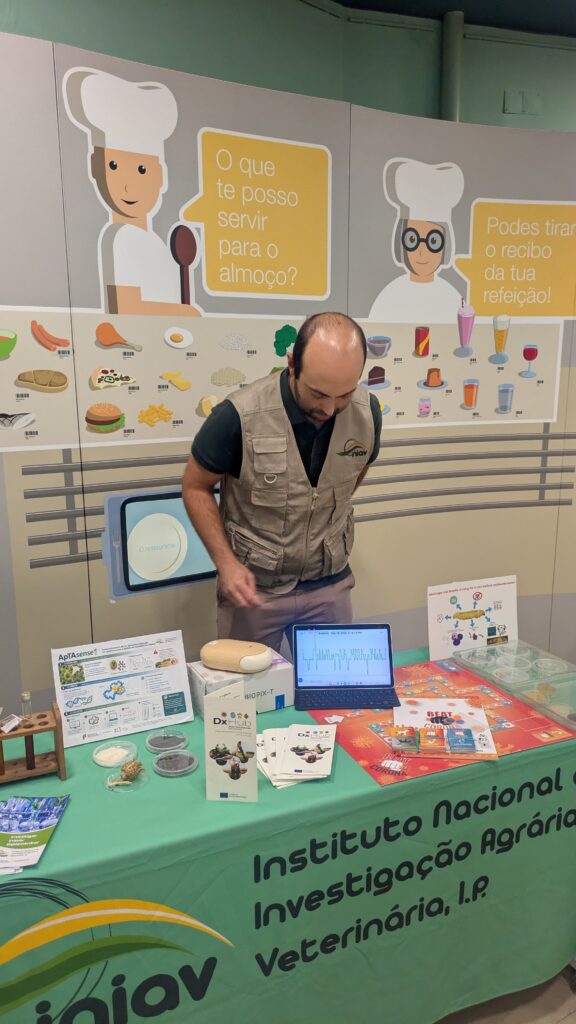
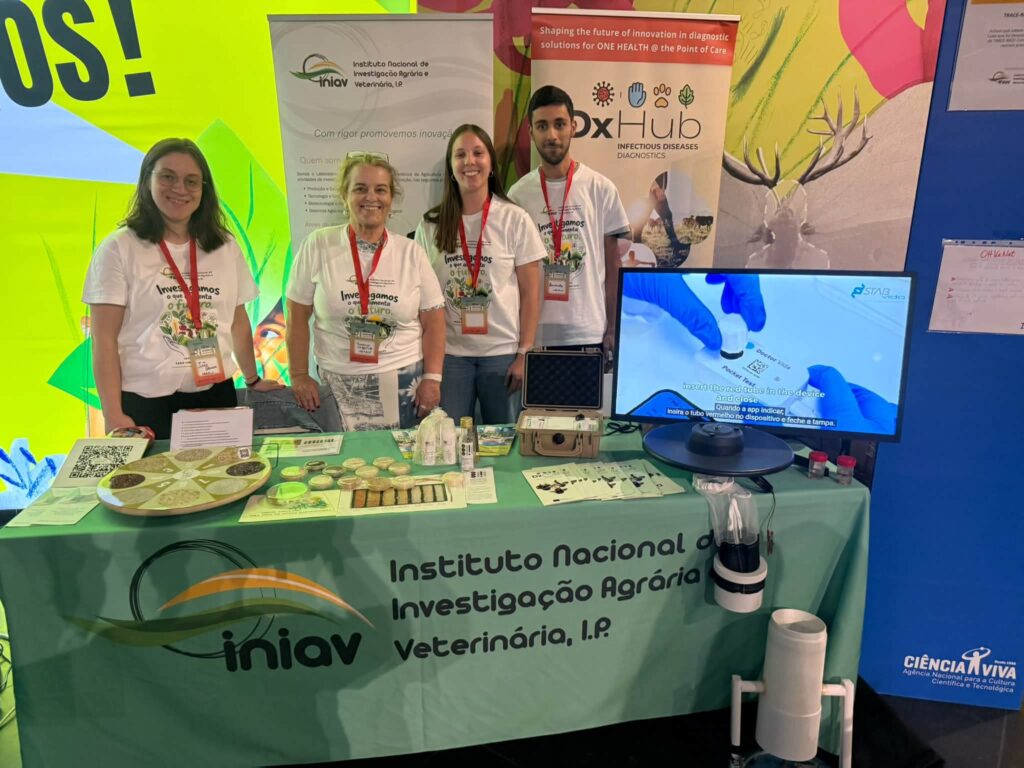
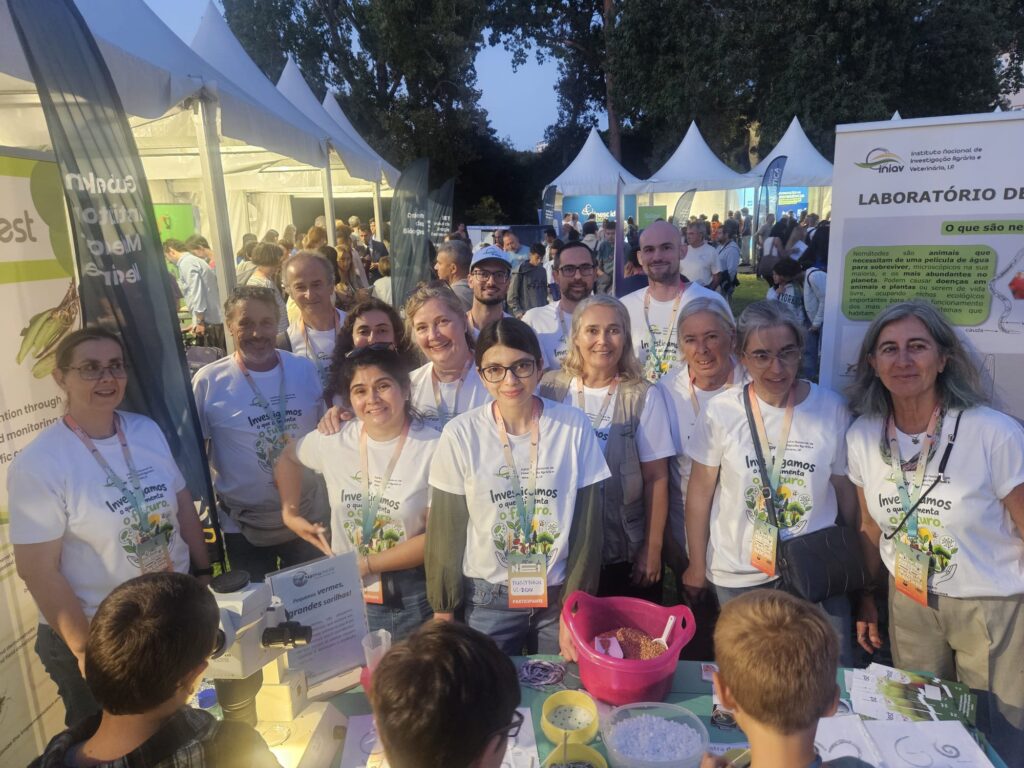
In Portugal, DxHub partner INIAV showcased innovative diagnostic technologies at European Researchers’ Night events across three locations, demonstrating their potential to support food safety, animal health and plant health.
- Vila do Conde: A device developed by DxHub partner BioPix-T was presented for the validation of a rapid Salmonella detection test in milk.
- Lisbon (Parque das Nações): The Doctor Vida device, developed by partner STAB VIDA, was showcased for the early detection of viral diseases in animals.
- Oeiras: Activities focused on the early detection of plant diseases.
These demonstrations highlighted the role of rapid and accessible diagnostic solutions in identifying potential threats and supporting timely action across different sectors.
One Health: Connecting people, animals, plants and the environment
Both initiatives reflect the core principle of One Health: human, animal, plant and environmental health are closely interconnected. Early detection and accessible diagnostic technologies are essential for identifying potential threats, supporting prevention and strengthening our ability to respond to health challenges.
By combining technological innovation with public engagement and citizen science, DxHub is helping bridge the gap between research and society. From exploring water quality with students in Crete to showcasing rapid diagnostic devices in Portugal, these activities demonstrate how collaboration can make science more accessible, meaningful and impactful.
Science is stronger when we do it together!